
Summer Tree Care Checklist for Nebraska & Iowa Homeowners
Last updated Wednesday, April 8th, 2026
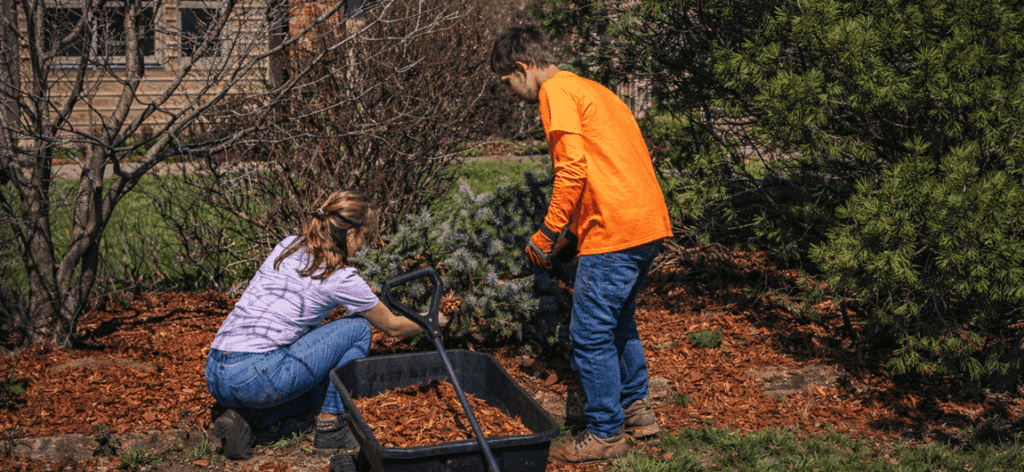
Summer in Nebraska and Iowa means heat, drought, and the occasional severe storm, a challenging combination for your trees. Temperatures routinely climb above 90°F, putting significant stress on tree roots and canopies. For newly planted trees, especially, these conditions can mean the difference between thriving and failing. Proactive care during the summer months is not optional; it is essential.
This comprehensive checklist covers everything Omaha, Council Bluffs, and Lincoln homeowners need to know: caring for established trees, protecting new plantings, watering and mulching best practices, storm preparation, and landscape integration. Whether you’re a hands-on gardener or simply want to protect your investment, Tree Wise Men is here to help.

Need expert tree trimming or pruning? Call Your Nebraska Tree Trimming & Pruning Pros Today!
Related Article(s)
Keeping Established Trees Healthy in Summer
Pruning and Trimming
Summer pruning should focus on removing dead, damaged, or structurally risky branches, not reshaping the entire tree. Avoid heavy pruning during peak heat, as open wounds heal more slowly and expose trees to pests and disease. Major structural pruning is best reserved for dormant seasons (late fall through early spring). If you have elms or oaks, always consult a certified arborist before trimming, since these species require special handling to avoid disease transmission.
Inspecting for Pests and Disease
Walk your property monthly and look for warning signs: borer holes, sawdust-like frass, bleeding sap, unusual leaf spots, or canopy dieback. Yellowing leaves can indicate either under-watering or over-watering. Check soil moisture before adjusting irrigation. A simple test: push a screwdriver 6 inches into the soil near the root zone. If it slides in easily, moisture is adequate. If it’s hard and dry, your tree needs water. Contact Tree Wise Men for a professional health evaluation at the first sign of trouble.
Watering Established Trees
Established trees need deep, infrequent watering rather than shallow daily sprinkling. Use drip or soaker hoses to saturate the soil 12–18 inches deep. During drought conditions, provide approximately 5 gallons of water per inch of trunk diameter once per week. Overwatering is just as harmful as drought; waterlogged roots suffocate and fail, so always check soil moisture before adding more water.
Mulching
Apply a 2–4 inch layer of coarse organic mulch (wood chips, shredded bark) around each tree, extending to the drip line. Keep mulch a few inches away from the trunk to prevent rot and pest harborage. Avoid landscape fabric under mulch; it inhibits gas exchange and root growth. Do not pile mulch against your home’s foundation, as this can attract termites.
| Summer Tree Care Topic | Key Summary | Best Practice |
|---|---|---|
| Pruning and Trimming | Summer pruning should be limited to dead, damaged, or hazardous branches rather than major reshaping. | Avoid heavy pruning during extreme heat. Save major structural pruning for late fall through early spring. Consult a certified arborist before trimming elms or oaks. |
| Inspecting for Pests and Disease | Monthly inspections can help catch early signs of pest activity or disease before the damage spreads. | Look for borer holes, frass, bleeding sap, leaf spots, yellowing leaves, or canopy dieback. Check soil moisture before changing watering habits. Contact Tree Wise Men if you notice early warning signs. |
| Watering Established Trees | Established trees stay healthier with deep, infrequent watering instead of shallow daily watering. | Use drip irrigation or soaker hoses to soak soil about 12 to 18 inches deep. In drought, provide about 5 gallons per inch of trunk diameter once per week. Avoid overwatering. |
| Mulching | Proper mulching helps retain moisture, regulate soil temperature, and support root health. | Apply 2 to 4 inches of coarse organic mulch out to the drip line. Keep mulch a few inches away from the trunk. Do not use landscape fabric under mulch or pile mulch against the home foundation. |
Fertilization and Storm Preparation
Most Nebraska soils have sufficient nutrients for established trees; fertilizing is usually unnecessary unless a soil test reveals a deficiency. If needed, use a slow-release, balanced fertilizer in early summer and avoid high-nitrogen products that push weak shoot growth at the expense of roots. Before summer storm season, inspect large limbs for cracks or decay. Tree Wise Men can assess risk and install cabling or bracing where needed to protect your property and family.
Special Care for Newly Planted Trees
Young trees have small, underdeveloped root systems and are highly vulnerable during summer heat waves. Without proper care, they can experience leaf scorch, stunted growth, or death within a single hot season. Give them the extra attention they need.
Deep Watering Techniques
Use a soaker hose or slow-release watering bag to direct moisture directly to the root zone, aiming for 12–18 inches of penetration. Water early in the morning to minimize evaporation and avoid wetting foliage; wet leaves in heat increase the risk of sunburn and fungal disease. Space waterings to encourage roots to grow deeper rather than staying shallow. Newly planted trees need no more than one inch of water per week, delivered in two to three sessions.
Mulching and Heat Protection
Mulch is a newly planted tree’s best friend. Apply 2–3 inches of organic material (shredded bark, leaves, or compost) around the base to slow evaporation, cool roots, suppress weeds, and add nutrients as it breaks down. Avoid synthetic mulches; they retain heat rather than releasing it. Keep mulch several inches away from the trunk.
Need expert tree trimming or pruning? Call Your Nebraska Tree Trimming & Pruning Pros Today!
Recognizing and Responding to Heat Stress
Watch for these warning signs in newly planted trees:
- Wilting or drooping leaves that don’t recover overnight
- Curled, scorched, or discolored leaves
- Early leaf drop before autumn
- Noticeably slowed or stalled growth
If you notice any of these symptoms, increase watering frequency and refresh your mulch layer. Call Tree Wise Men if symptoms persist; early intervention saves trees.
Common Mistakes to Avoid
- Planting too deep, always plant with the root flare at the soil surface
- Watering too often in small amounts instead of deep, infrequent sessions
- Skipping mulch or using heat-retaining synthetic materials
- Fertilizing at planting time stresses roots; wait until the tree is established
- Unnecessary trunk wrapping, which can trap moisture and harbor disease
- Planting trees too close together, limiting airflow and root space
Structural Support for Young Trees
Staking is not always necessary, but in windy or exposed sites, it can prevent tipping before roots anchor the tree. Use flexible materials and loose ties to allow natural trunk movement. Remove all stakes and ties after the first growing season; leaving them longer can girdle the trunk and cause serious long-term damage.
Preparing for Severe Weather and Storm Cleanup
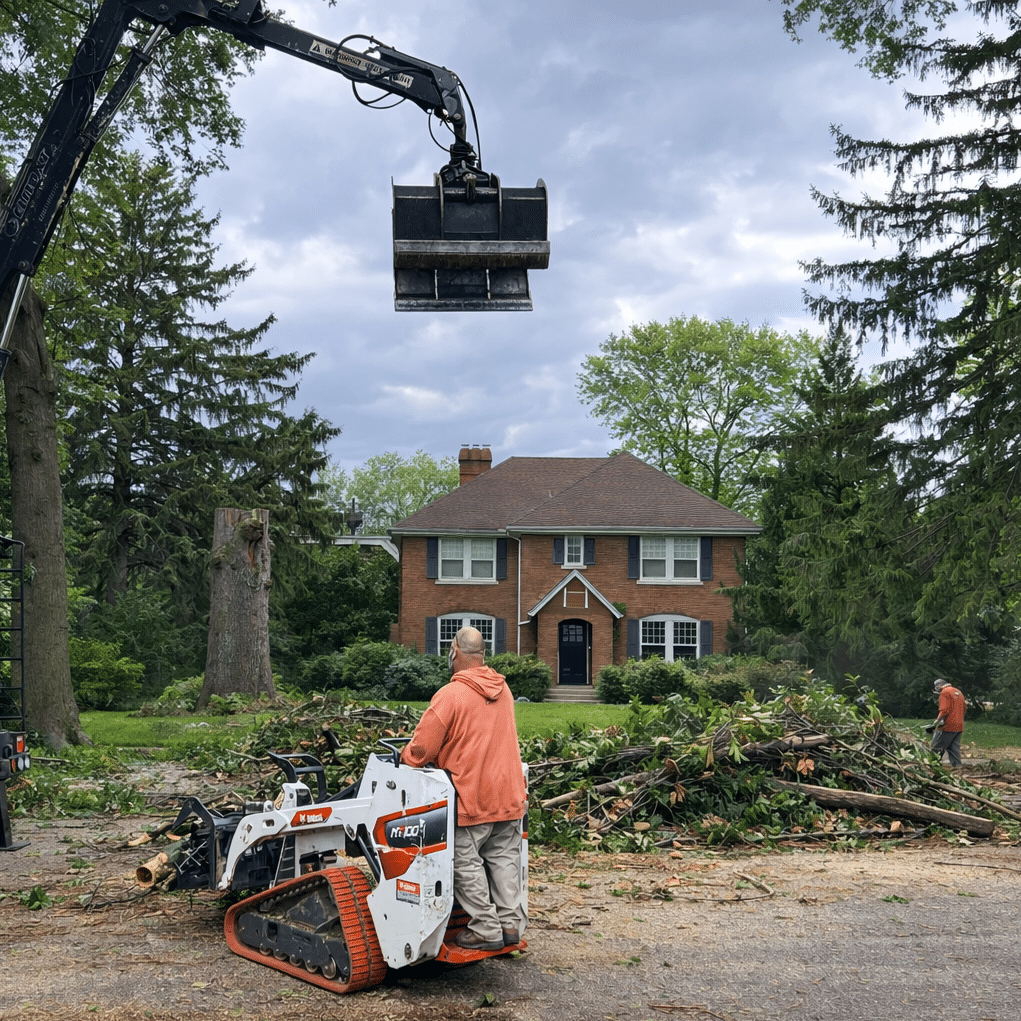 Nebraska and Iowa summers bring powerful thunderstorms, high winds, and hail. Prepare your trees before storm season by inspecting for weak or overextended limbs, decay, or co-dominant leaders (two stems of equal size competing at the top). Proactive pruning and cabling by a certified arborist can dramatically reduce storm damage risk. Ensure proper drainage around tree roots so saturated soil doesn’t destabilize root systems.
After a storm, wear protective gear and assess hazards carefully before approaching damaged trees. Remove debris, evaluate broken limbs for safe pruning, and document all damage with photos for insurance purposes. Some storm-damaged trees can be saved with professional care; others must be removed for safety.
Tree Wise Men provides emergency storm cleanup and damage assessment for homeowners throughout the Omaha metro, Council Bluffs, Lincoln, and surrounding areas.
Lawn and Landscape Integration
Healthy trees start with a healthy landscape. Maintain your lawn at 3–4 inches for cool-season grasses or 2–2.5 inches for warm-season varieties. Taller grass shades roots and retains moisture. Water lawns deeply and infrequently to encourage deep root systems. Control weeds early so they don’t compete with trees for nutrients and water.
Consider planting drought-tolerant native species around your trees to support biodiversity and reduce irrigation demands. Refresh landscape beds with compost to improve soil structure and moisture retention. Adding a bird bath or pollinator garden near your trees supports local wildlife and contributes to a healthy, balanced ecosystem in your yard.
Ready to Give Your Trees the Best Summer Yet?
Summer tree care in Nebraska and Iowa doesn’t have to be complicated, but it does require consistency and the right knowledge. To summarize the essentials: water deeply and infrequently, mulch properly but keep it away from trunks, skip fertilizer unless a soil test says otherwise, watch for pests and heat stress, and prepare your trees for storm season before it arrives.
Tree Wise Men’s certified arborists are proud to serve homeowners in Omaha, Council Bluffs, Lincoln, and the surrounding region. Whether you need a professional tree health evaluation, storm damage cleanup, pruning, cabling, or expert advice on a newly planted tree, our team is ready to help. Don’t wait until a problem becomes a crisis.