
Is Your Tree Dormant, Injured, or Dying? A Comprehensive Winter Tree Care Guide for Nebraska & Iowa Homeowners
Last updated Thursday, March 19th, 2026
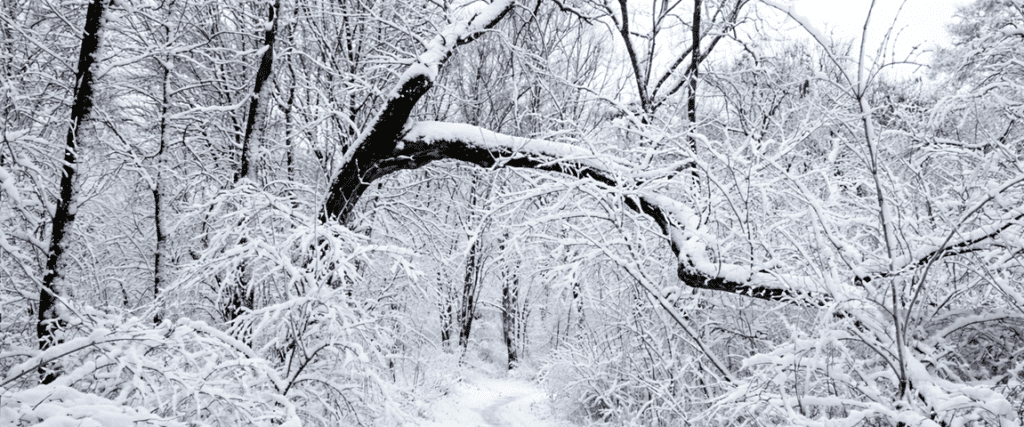
Midwestern winters are tough on trees. Bitter cold, freeze-thaw cycles, drying winds, and heavy snow loads can push even established trees to the edge of survival. For homeowners in Nebraska and Iowa, knowing how to distinguish normal winter dormancy from serious decline can mean the difference between a tree that rebounds in spring and one that poses a danger to your home, family, or property.
Ignoring warning signs can lead to falling branches, pest infestations spreading to neighboring trees, or sudden structural failures. The good news: with the right knowledge and a little proactive care, most trees can be protected, and many struggling trees can be saved.

Need expert tree trimming or pruning? Call Your Nebraska Tree Trimming & Pruning Pros Today!
Related Article(s)
Summer Tree Care Checklist for Nebraska & Iowa Homeowners
Dormancy vs. Decline: How to Tell the Difference
Every fall, deciduous trees shed their leaves and enter dormancy, a natural energy-conservation state triggered by shorter days and cooler temperatures. A dormant tree is not a sick tree; it is simply resting. Here is how to tell the two apart:
Signs of a Healthy Dormant Tree
- Flexible branches that bend without snapping
- Plump, well-formed buds along stems
- Intact, firmly attached bark
- Green, moist cambium tissue just beneath the bark (visible with a gentle scratch)
Signs Your Tree Is in Decline
- Premature or abnormal leaf drop in fall
- Canopy thinning or patchy bare areas
- Shriveled, absent, or discolored buds in winter
- Scattered dead branch tips throughout the crown
- Dead leaves that cling through winter rather than falling naturally
Key distinction: Dormancy is temporary and reverses with spring warmth. Decline is progressive and will worsen without intervention.
DIY Tree Health Tests You Can Do This Winter
Before calling a professional, try these simple at-home assessments on accessible branches:
- The Scratch Test: Use a fingernail or pocket knife to gently remove a small strip of outer bark on a branch. Healthy cambium tissue underneath will be green and slightly moist. Brown, dry, or brittle tissue signals that the section is dead. Test multiple spots on different branches and the trunk for an accurate picture.
- Bud Inspection: Dormant trees should have visible, plump buds waiting to open in spring. Shriveled, blackened, or absent buds are a red flag that the branch or tree may not recover.
- Branch Flexibility: Gently bend a small branch. Living wood flexes; dead wood snaps cleanly. If numerous branches snap easily, the tree may be experiencing significant dieback.
- Bark and Trunk Check: Walk the perimeter of the trunk and look for cracks, sunken or missing bark sections, fungal growth, or soft/spongy wood. Pay special attention to the southwest-facing side, which is most exposed to sunscald.
Important: Do not perform these tests on tall or structurally compromised trees. If you are unsure of your results, contact a certified arborist for a professional assessment.
Signs Your Tree May Be Dying
Some symptoms require prompt professional attention:
- Sudden or significant leaning: May indicate root failure or uprooting. Contact a professional immediately if a tree leans toward a structure or power line.
- Failure to leaf out by late spring: A tree that remains bare well into the growing season is likely dead or dying.
- Visible fungal growth: Mushrooms, conks, or orange/tan shelf fungi growing from the trunk or roots signal internal rot.
- Extensive bark loss or peeling: Can indicate severe moisture stress, disease, or insect infestation.
- More than 25% canopy decline: A significant loss of live canopy is a serious warning sign that warrants professional evaluation.
Recognizing Winter Injury
Winter injury is distinct from disease or pests, though symptoms can overlap. Watch for these seven signs specific to cold-weather damage:
- Brown foliage on conifers is caused by water loss through needles during cold, dry winds
- Browning above the snow line with green foliage protected below
- Sunscald: discolored, cracked, or sunken bark on thin-barked trees (maple, willow, linden) caused by daytime heating followed by rapid nighttime freezing
- Frost cracks running vertically along the south or southwest side of the trunk
- Root damage leading to unexpected wilting or dieback when warm weather arrives
- Branch breakage from the weight of heavy snow or ice
- Partial or total dieback on vulnerable species such as yew, hemlock, or arborvitae
Note: These symptoms can mimic needle cast disease or drought stress. When in doubt, consult a certified arborist before concluding the cause.
Need expert tree trimming or pruning? Call Your Nebraska Tree Trimming & Pruning Pros Today!
Preventing Winter Damage: Proactive Care Strategies: Watering, Mulching & Fertilizing
 Continue deep watering right up until the ground freezes. Apply 2–4 inches of organic mulch around the root zone, keeping it away from the trunk, to retain moisture and buffer soil temperature. Appropriate fall fertilization supports root health through the winter months.
Protective Wrap & Anti-Desiccant Sprays
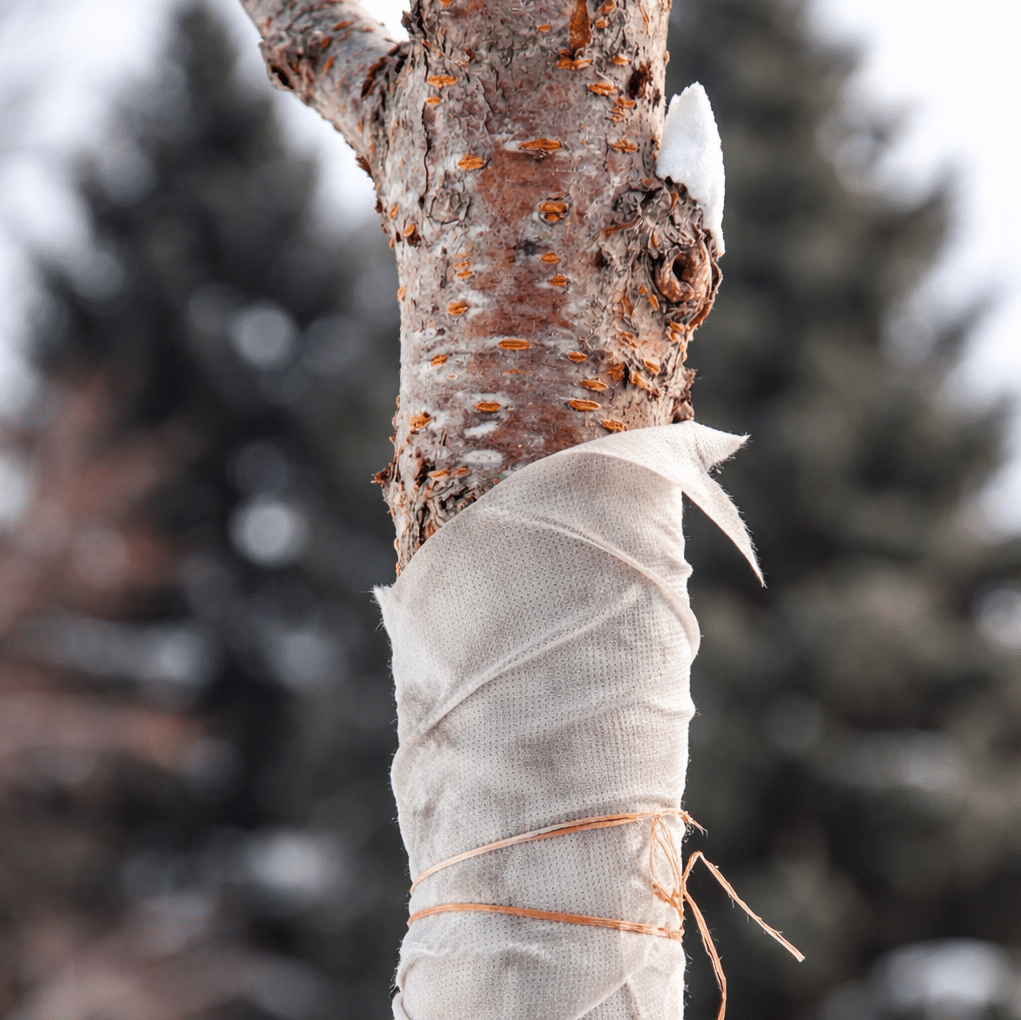
Wrap thin-barked young trees with white or light-colored tree wrap before the first freeze to prevent sunscald, and remove wrapping each spring. Apply anti-desiccant spray to evergreens in late fall to reduce moisture loss through foliage during winter wind and sun exposure.
Pruning & Dormant Oil Treatments
Late winter is ideal for most pruning because wounds seal quickly as spring growth begins. Prune oaks only between December and February to prevent oak wilt infection. On days when temperatures stay above 40°F, apply dormant oil to suffocate overwintering pest eggs without leaving toxic residue.
Month-by-Month Winter Care Checklist
- November: Perform scratch and bud assessments. Deep water before freeze. Apply tree wrap to thin-barked species and 2–4 inches of mulch.
- December: Prune oaks during the safe window. Monitor for animal damage and storm-related breakage.
- January–February: Schedule dormant pruning for other species. Apply dormant oil on warm days above 40°F. Develop a Plant Health Care (PHC) plan.
- March: Remove tree wrap. Monitor for bud break and new dieback. Resume watering. Confirm the spring treatment schedule with your arborist.
With a consistent Plant Health Care program, declining trees can show measurable improvement within 2–3 seasons, often as early as the first spring after treatment.
When to Call a Certified Arborist
Call a professional immediately if you observe any of the following:
- The tree is leaning toward a structure, vehicle, or power line
- There are large dead or hanging branches in the crown
- You see visible trunk rot, hollowing, or fungal fruiting bodies
- The tree leans more than 15 degrees from vertical
- More than 25% of the canopy has died back
- DIY tests give mixed or unclear results across the tree
A certified arborist will evaluate the tree’s structure, root system, and overall health, and provide a 12-month PHC plan tailored to the underlying cause, with cost estimates for both treatment and removal options.
Frequently Asked Questions
When should I remove a tree versus try to save it?
Consider removal when a tree has more than 50% canopy damage, one-third or more of the trunk is hollow or rotted, the tree leans more than 15 degrees, or it poses immediate danger to people or property. Trees with 25–50% decline may be salvageable depending on the cause. Consult a certified arborist before making the call.
Should I water my evergreens during winter?
Yes. Water evergreens thoroughly before the ground freezes, and during warm spells above 40°F. Evergreens continue to lose moisture through their needles all winter, making adequate hydration one of the best defenses against winter burn.
Is it normal for my tree to drop leaves early in fall?
Some early leaf drop is normal, especially in dry conditions. However, premature yellowing combined with canopy thinning or bud abnormalities may indicate early decline rather than healthy dormancy. If you are unsure, schedule a fall assessment before winter sets in.
When is the best time to prune fruit trees in Nebraska and Iowa?
Late winter, typically February through early March, is ideal for most fruit trees. Pruning during dormancy minimizes disease exposure and stress, while the approaching growing season accelerates wound closure. Avoid pruning oaks outside the December–February safe window.
Protect Your Trees This Winter
Understanding the difference between dormancy and decline, and acting on early warning signs, is the single most effective thing Omaha, Council Bluffs, and Lincoln homeowners can do to protect the trees on their property. Most trees that are caught early can be saved with the right care.
Your Tree Wise Men has been serving the Omaha metro and surrounding communities for over 25 years. Our certified arborists provide comprehensive winter health assessments, dormant pruning, storm cleanup, and full Plant Health Care programs tailored to the specific challenges of the Nebraska and Iowa climate.
Schedule your winter tree health assessment or request a free quote today.