Will the City of Omaha Remove Trees from Private Property?
Last updated Saturday, March 21st, 2026
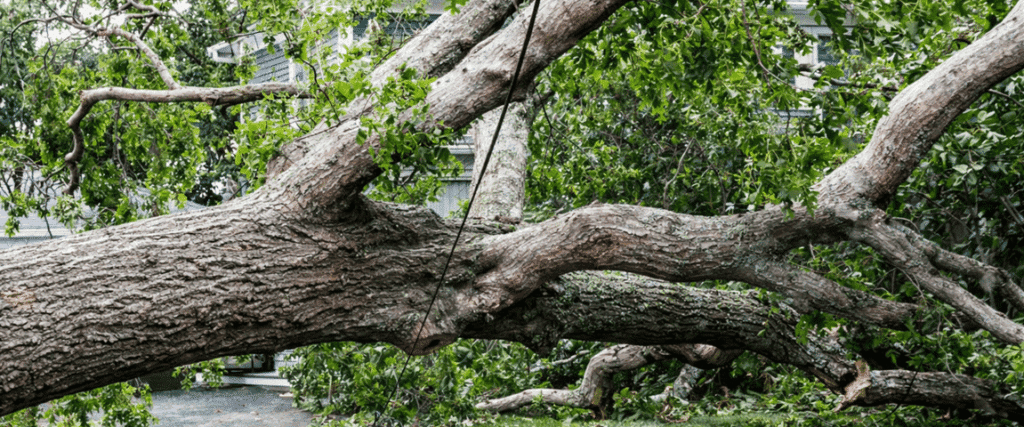
When a tree falls on your property in Omaha, your primary concern is typically “will the city handle this?” Generally, the city doesn’t. The City of Omaha maintains trees located on public land (parks, medians, etc.). The individual property owner is responsible for maintaining trees on their private property.
Public Right of Way in Omaha
Do Homeowners Maintain Trees in the Public Right of Way?
The public right of way is the area of land adjacent to your property (between your lawn and the street) that houses sidewalks, utilities, etc. Although this is technically city-owned land, Omaha’s ordinances state that the homeowner immediately adjacent to the right of way must maintain those trees. When a branch becomes hazardous due to neglect by the homeowner, the city may trim it and then bill the homeowner for the services provided.
When Does the City Remove Trees from Your Yard?
Again, the city generally removes trees on private property only in extreme circumstances. Those include:
- Immediate hazard to public safety.
- When a homeowner has a tree that is hazardous (dead, diseased, or structurally unsound).
Other examples include:
- Emerald Ash Borer (EAB) infestation.
- Storm damage (see below).
When It Comes to Tree Removal, Call Your Omaha Tree Removal Experts!
Trees in the Public Right of Way (ROW):
Many Omaha homeowners are unclear on how to manage trees in the ROW. As mentioned earlier, the ROW is city-owned property, but the trees growing within it belong to you. Omaha’s Code states that you are responsible for keeping tree limbs off streets and sidewalks. If you fail to respond to a notice to trim, a city crew will trim the tree and then bill you for the services. If you wish to remove the tree entirely, you may need to obtain a city permit prior to doing so. The Forestry Division should be contacted to determine if a permit is necessary.
When You Must Handle the Removal of a Tree in Omaha
In most instances, the homeowner is responsible for the removal of a tree. These are some examples:
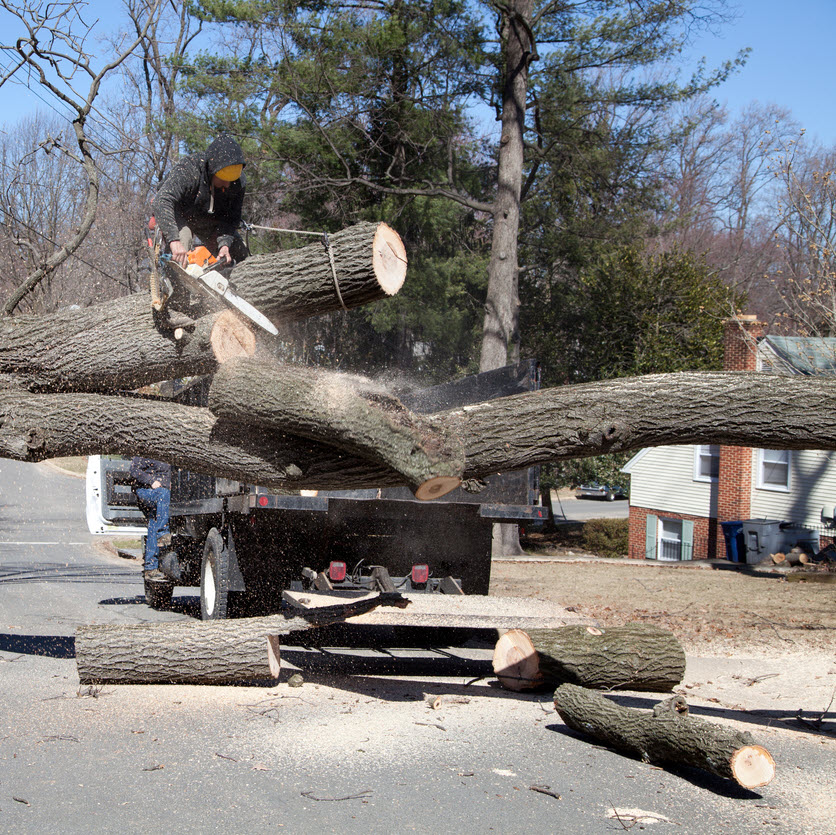
Storm Damage: After a major storm, the city focuses on clearing public roads. Trees falling on your property are your responsibility to remove. The Nebraska Forest Service advises hiring a licensed and insured tree care professional for this type of removal.
Dead/Diseased Trees: A dead tree on private property constitutes a public nuisance according to Omaha’s Codes. City inspectors may issue a removal order. If you fail to comply, the city may remove the tree and bill you for the services. Don’t delay. Dead trees are more difficult and expensive to remove as time passes.
Healthy Trees You Want Gone: The city will not remove a healthy tree for you if it’s too large, creating excessive amounts of debris, or obstructing a project. You may hire a tree service to remove the tree. In almost all cases, a permit is not required to remove a healthy tree on private property. Always double-check with the city if the tree is close to a sidewalk or power line.
Emerald Ash Borer (EAB) on Your Property: The city’s removal efforts were focused on public trees during the EAB infestation. If you have ash trees on your property, you’ll need to contact a certified arborist. Treatment is effective if done early, but must be repeated. If treatment isn’t feasible, removal is your safest option. Infested ash trees become brittle rapidly and create significant hazards and expenses when attempting to remove them later.
Do Homeowners Need a Permit to Remove a Tree in Omaha?
 There are a few exceptions, but no permit is generally required for most trees located on private property in Omaha. Some examples of when permits are required include:
If the tree is in the right-of-way, near a sidewalk, or close to utility lines, contact the city’s Forestry Division to verify requirements.
If the tree straddles a property line, things can become complex. Trees whose trunks are directly on a property line are jointly owned by the two neighbors. You each have a say in what occurs to it. Document the issue, communicate with your neighbor in writing, and engage a professional arborist.
Utility companies, specifically OPPD, handle trees that encroach upon utility lines. OPPD will notify you before performing any trimming, and they may recommend removing trees that continue to grow into the lines. However, OPPD does not handle service wires or streetlight lines. Debris cleanup after OPPD performs any trimming is the homeowner’s responsibility. Call OPPD if you believe a tree near utility lines is hazardous. Next, contact a local tree service that is licensed to operate in your area and is certified to work around utility lines.
Insurance Coverage for Tree Removal in Omaha
It depends on what occurred and whether the tree caused damage to an item insured. If a healthy tree is blown down by a storm and/or lightning and causes damage to your home, detached garage, or fence, your homeowner’s policy may provide some assistance with tree removal costs. Most policies have a maximum limit of coverage for tree removal ranging from $500 to $1000.
If a tree falls in your yard and does not cause damage to anything, insurance will likely not assist with debris removal costs.
If a neighboring tree falls onto your property, your policy typically will assist in repairing damage to your home. However, proving negligence on the part of your neighbor is challenging and often not worth the effort.
If a tree was dead/rotten prior to falling, your insurance carrier will likely deny the claim. Therefore, it is critical to conduct regular inspections of your trees and promptly remove dead/dying trees.
When It Comes to Tree Removal, Call Your Omaha Tree Removal Experts!
Action Items to Take If You Believe You Have a Hazardous Tree
If you believe a tree on your property may pose a hazard, follow these steps:
Identify potential hazards: Look for dead branches larger than three inches in diameter, mushrooms growing at the base of the trunk, a sudden lean, or soil lifting above the surface. Document with photographs any aspect of the tree that is concerning you. Do not approach a tree if you believe it could fall.
Right of Way (ROW) Trees and Trees on City Property
Call 311 or contact the Forestry Division of the City of Omaha if you suspect a tree on city property (ROW) is hazardous. Provide the address and detail what you see. They will dispatch someone to evaluate it.
Private Property Trees Not Near Power Lines
Hire a licensed and insured arborist to assess the tree for potential hazards. Obtain multiple bids, research qualifications, and ensure the company has liability and workers’ compensation insurance. Save all documentation and bills related to the assessment for use as proof of your actions if you file an insurance claim.
Private Property Trees Leaning Toward Your House or Neighbor’s Structure
Act quickly. Waiting until something happens is never a good idea.
Commonly Asked Questions About Tree Removal in Omaha
Will the city remove a dead tree from my yard?
No, the city only removes trees on public property. You are solely responsible for dead trees on your property.
Can the city force me to remove a tree?
Yes. City inspectors can issue a removal order for a hazardous tree on your property. If you don’t comply, the city can remove the tree and bill you for the services.
Who pays after a storm blows down a tree on my property?
You, the homeowner. If the tree damages a covered item, your insurance may assist with the cost of removal.
How much will it cost to remove a tree in Omaha?
Cost varies based on the size of the tree, location, and complexity of the job. Removals can range from hundreds of dollars to thousands, depending on factors such as stump removal and proximity to power lines.
Who do I contact regarding a hazardous tree?
Contact 311 or the Forestry Division of the City of Omaha to report any trees in the public right-of-way or on city property. Contact OPPD if the tree is near utility lines. Contact a licensed local tree service to evaluate any tree on your private property.
Who Handles Tree Removal on Public Land?
The City of Omaha will remove trees on public land, including trees that are hazardous (dead, dying, broken), diseased, or have structural issues.